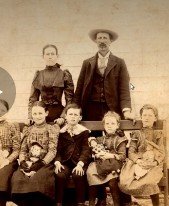
Andreas’ oldest son, Andrew remained in Jefferson, along with his daughter Mary Showe, who was married at the time, Jacob, who was 14 years old, Samuel, who was 10 years old, and David, who was just six years old. A likely explanation for leaving the younger children behind is that they were not old enough to make their own decision and the move west would be difficult and arduous.
By 1796, Andreas was in his early fifties, and several of his sons had reached adulthood. The family faced a common dilemma among long-established German American farming households: land that had supported one generation could not easily sustain the next. Inheritance customs among German settlers typically favored preserving the integrity of the homestead rather than subdividing it beyond viability. As a result, families often adopted a dual strategy—retaining one branch on the original farm while assisting other sons in establishing themselves elsewhere.
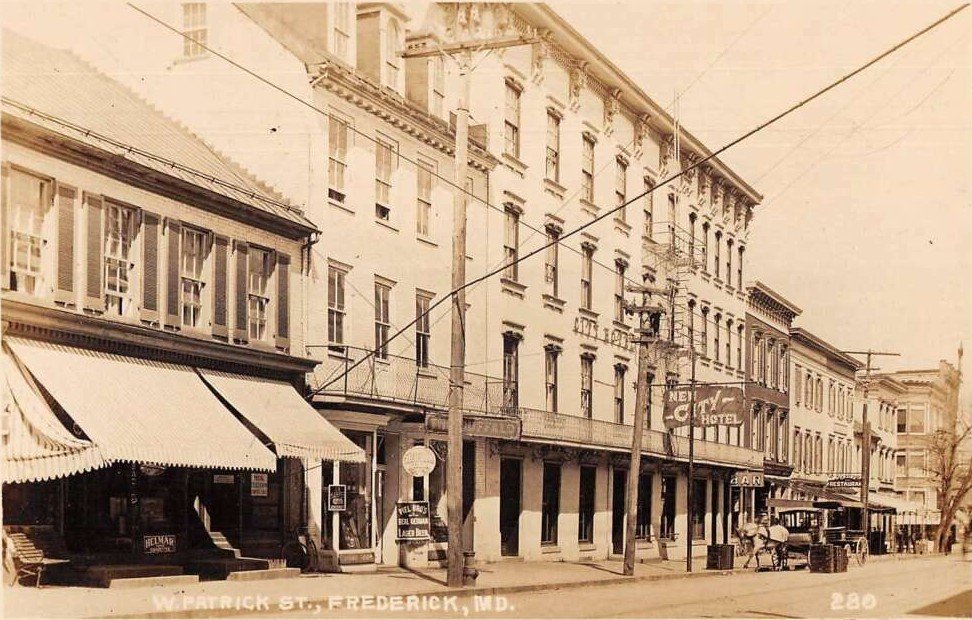
Andrew Kessler, the direct ancestor who remained in Frederick County, likely represented the stabilizing branch of the family. By remaining on the homestead, Andrew preserved the family’s original landholdings, community ties, and local standing. His decision reflects not reluctance but pragmatism—an acknowledgment that prosperity could be maintained through continuity just as effectively as through expansion.
Along with his married sister and younger siblings, Andrew continued to manage the Frederick County farm and to attend to family affairs. Though his efforts the family legacy in Maryland was able to continue over the coming decades.